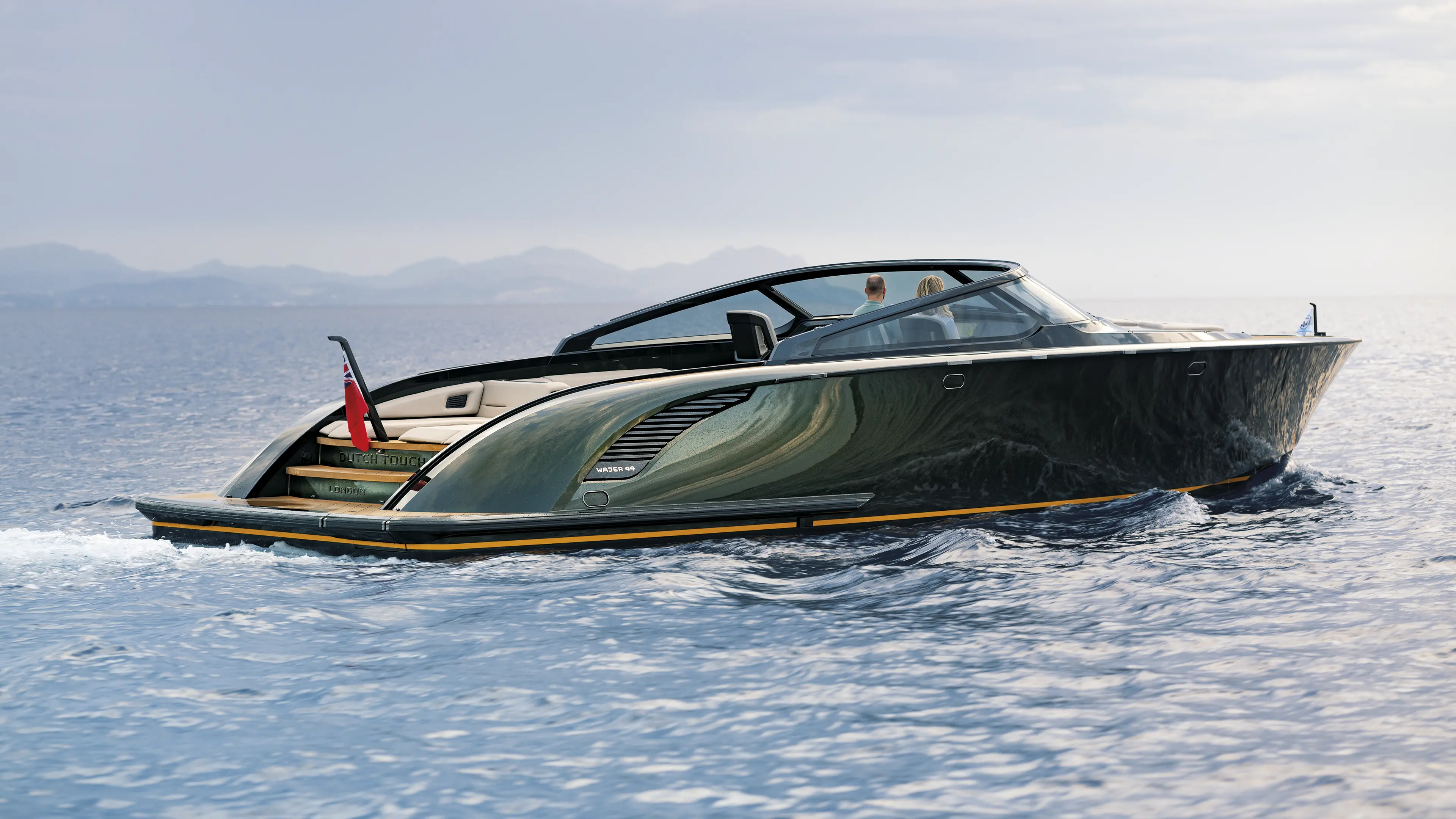
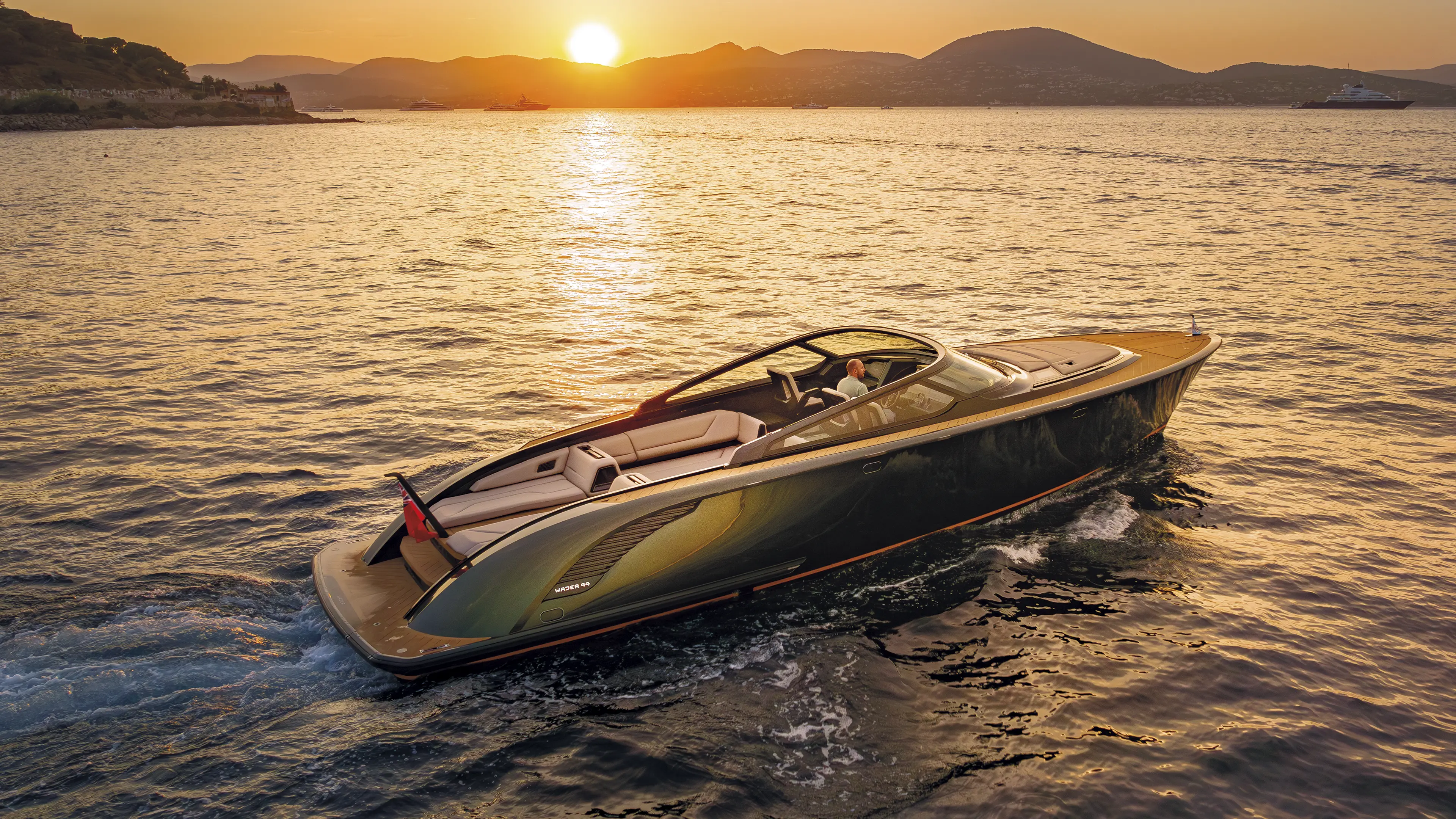
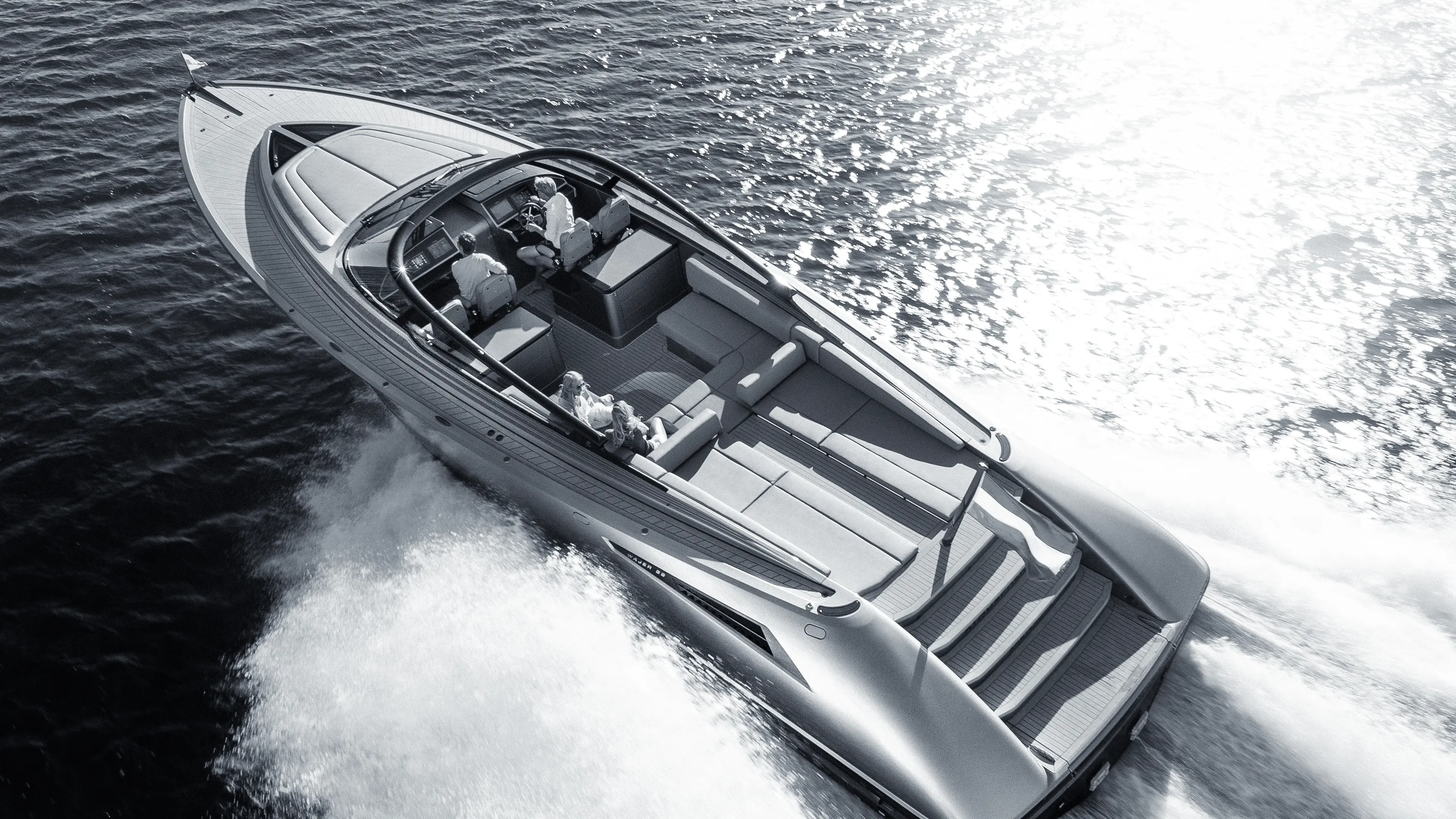
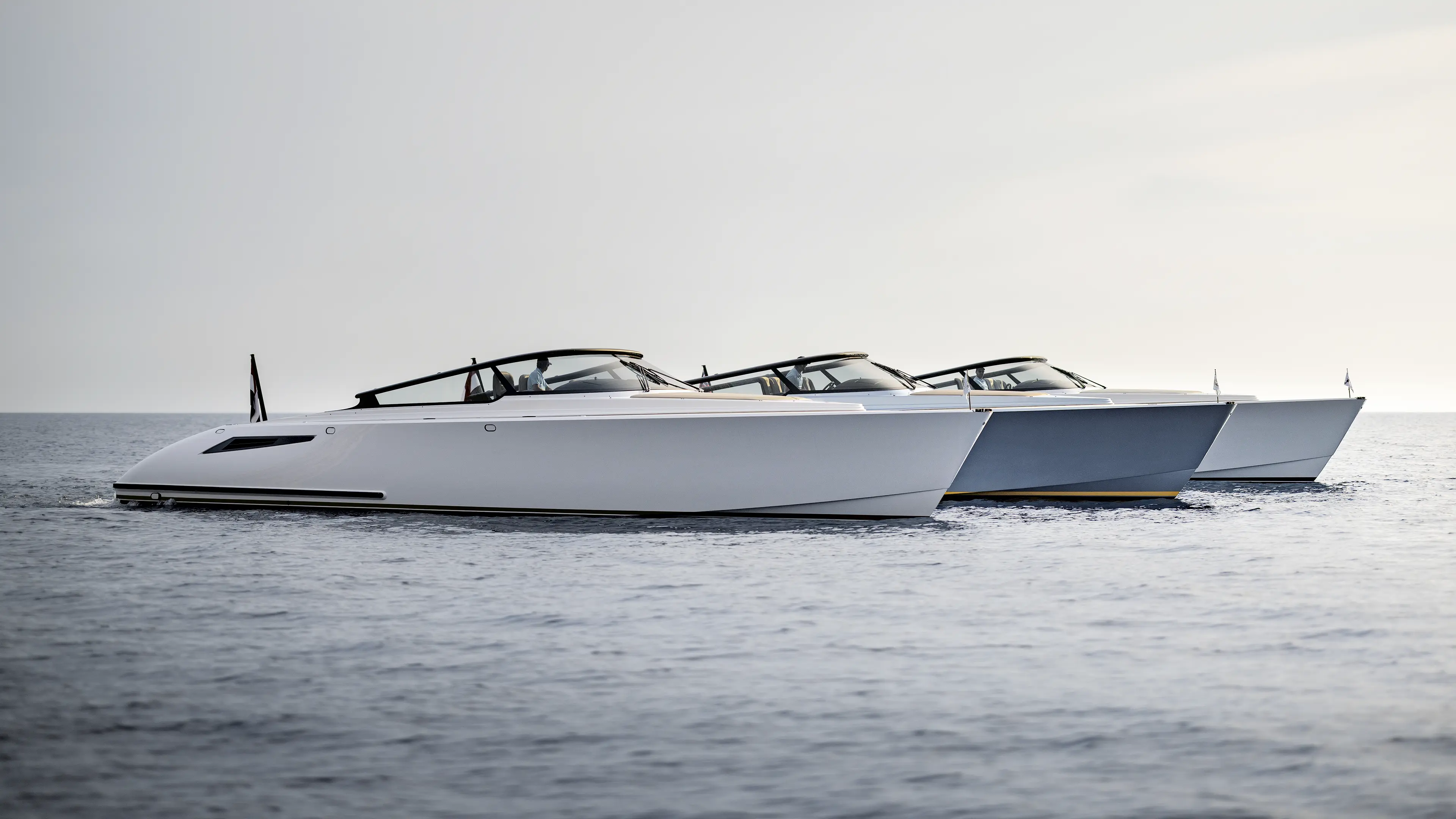
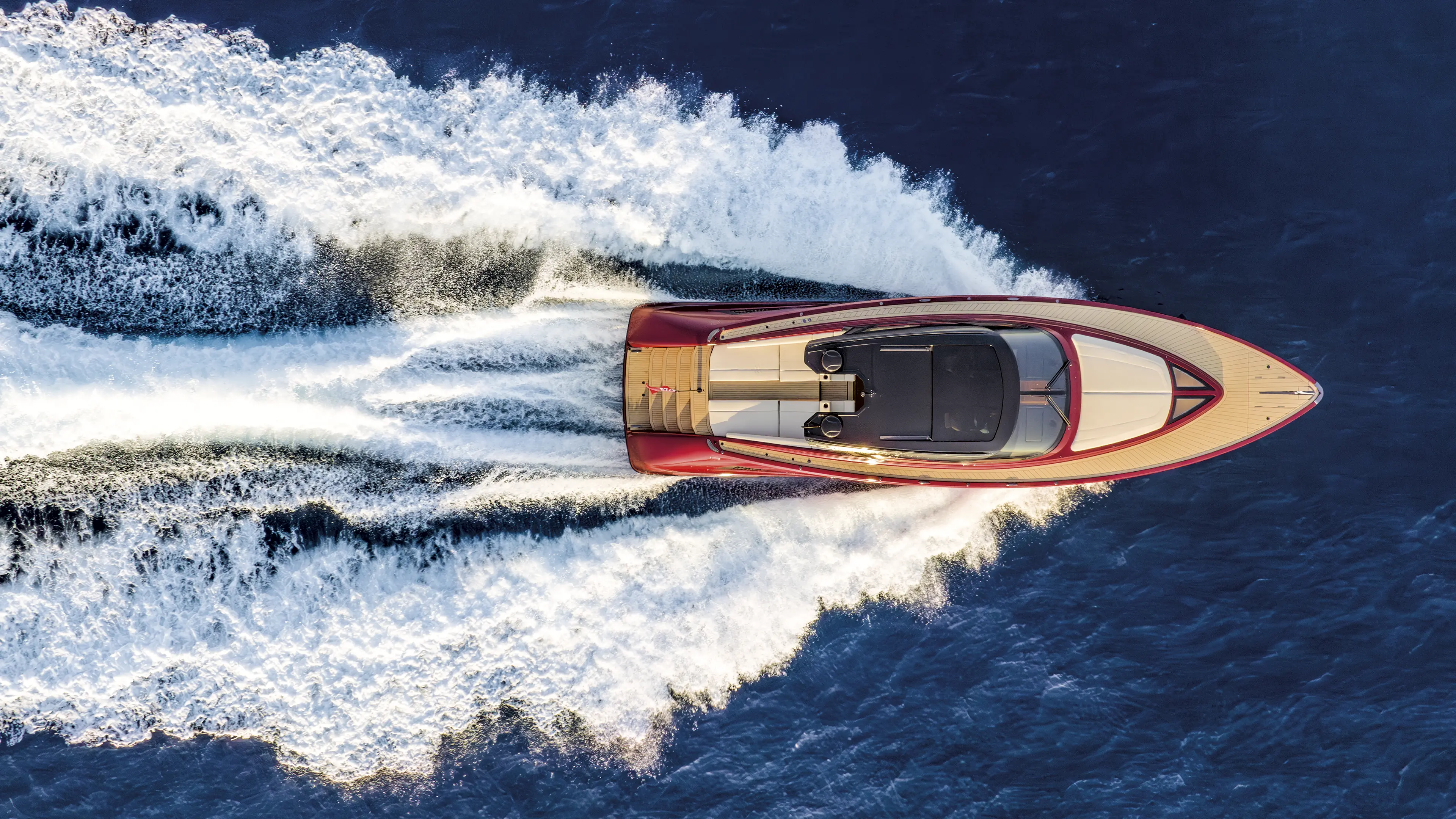
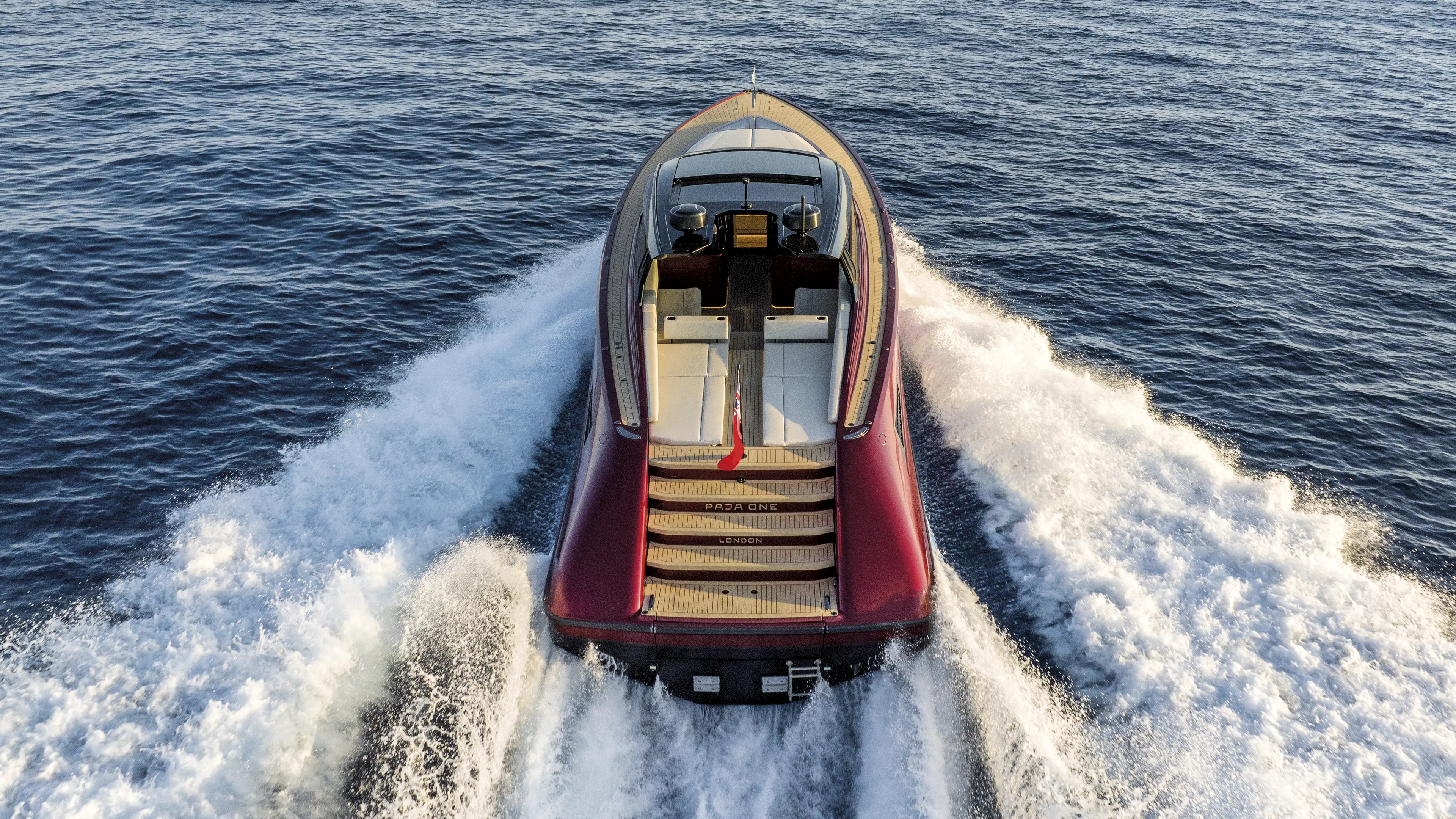
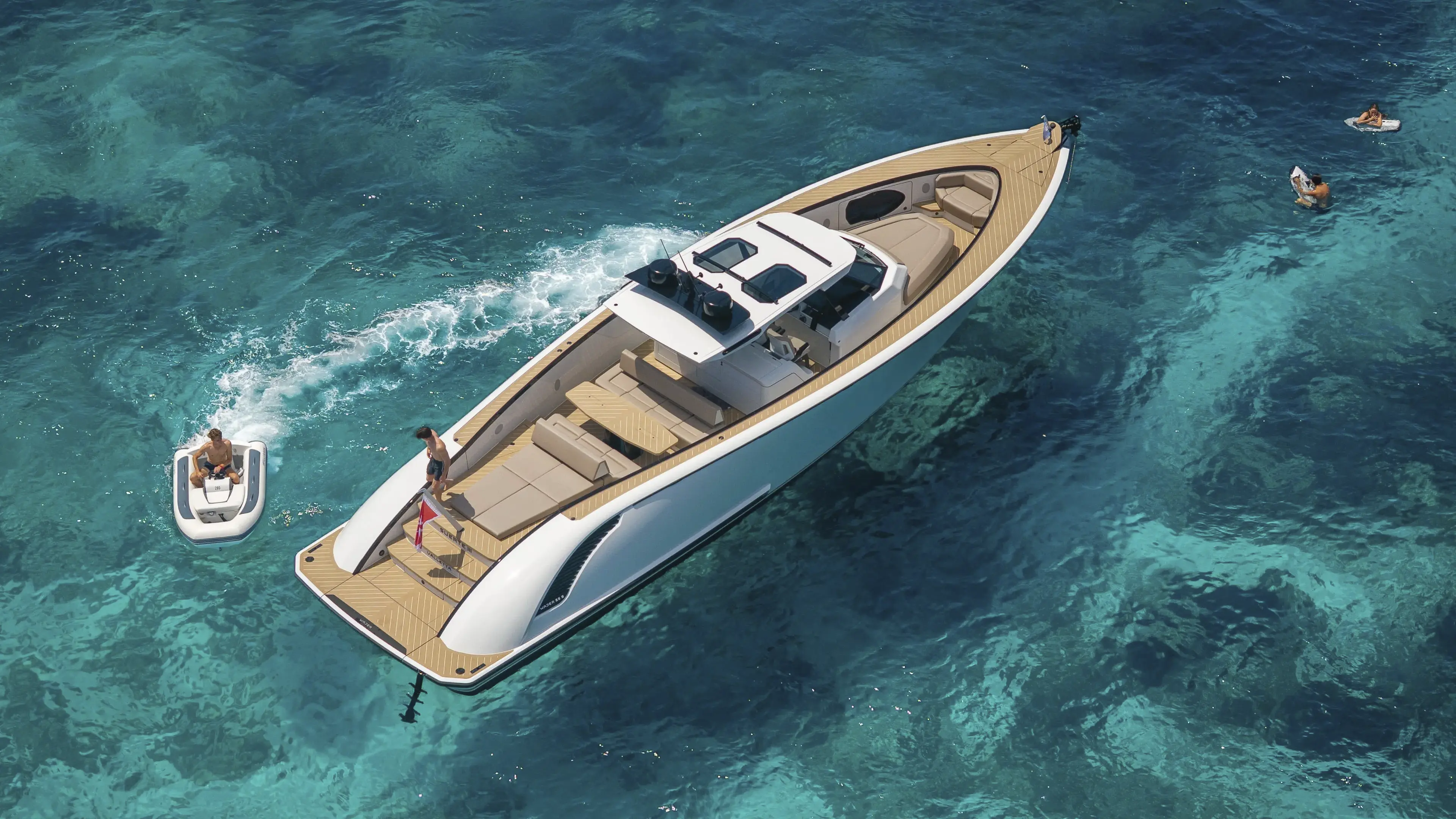
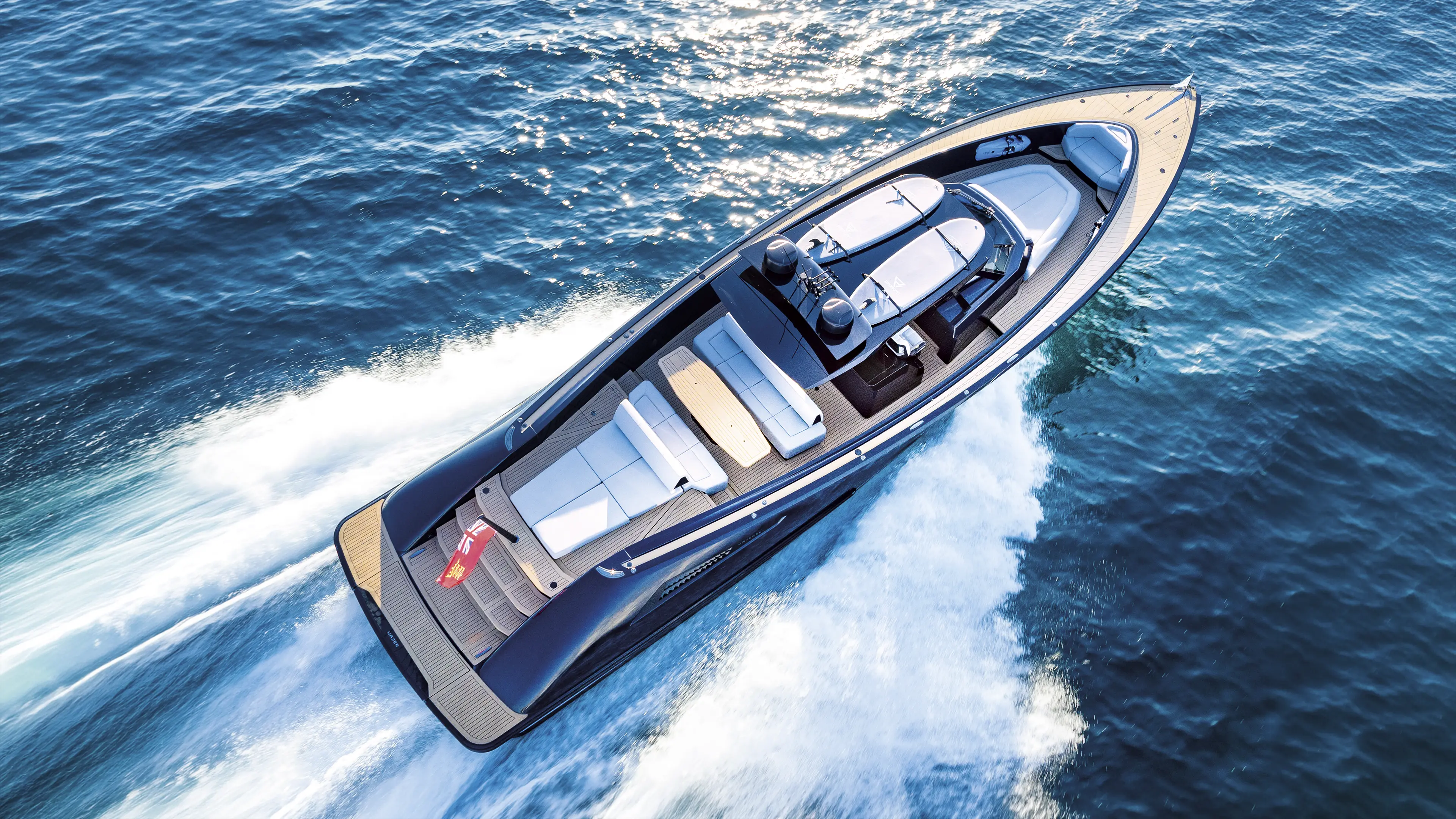
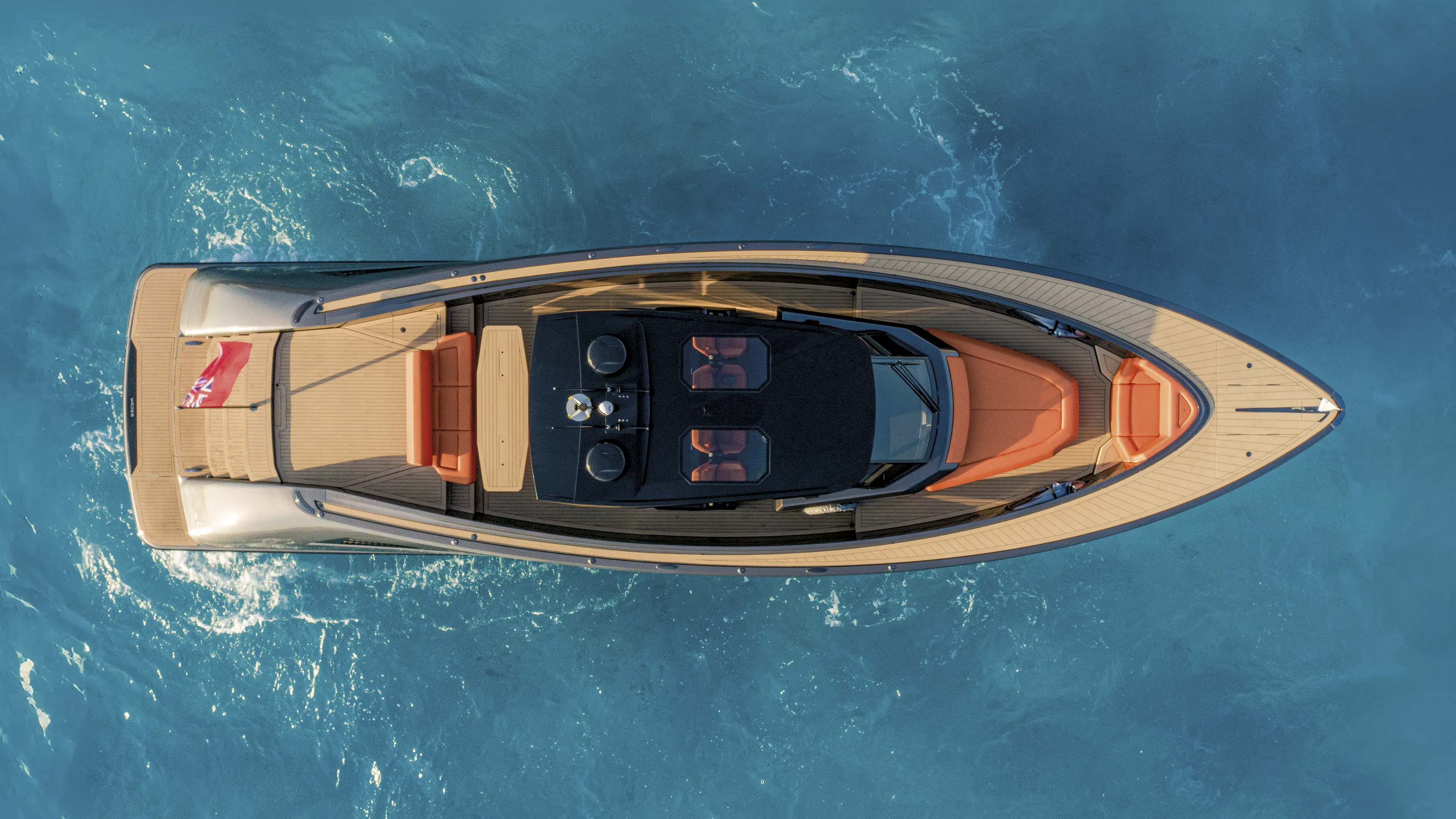
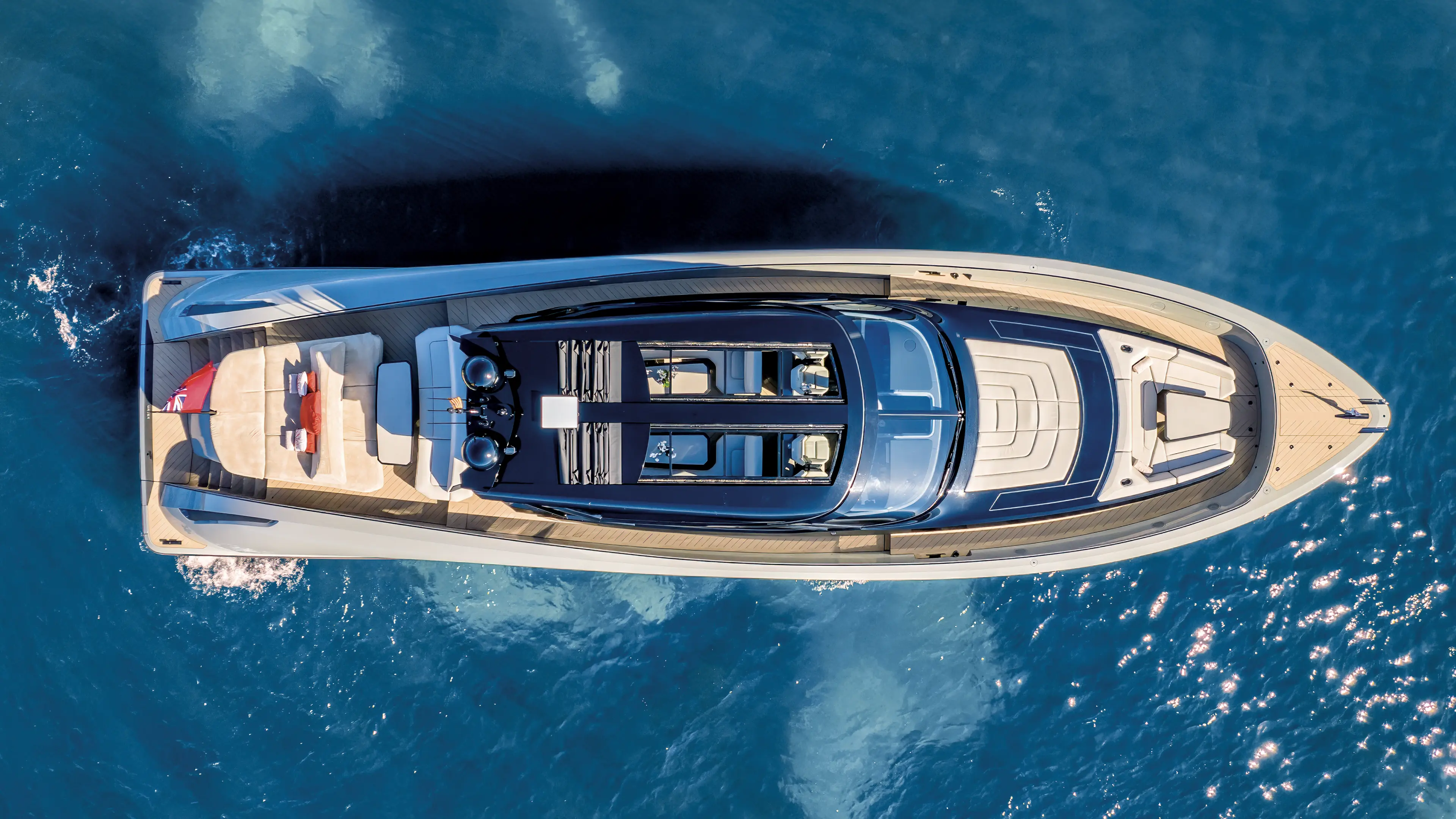
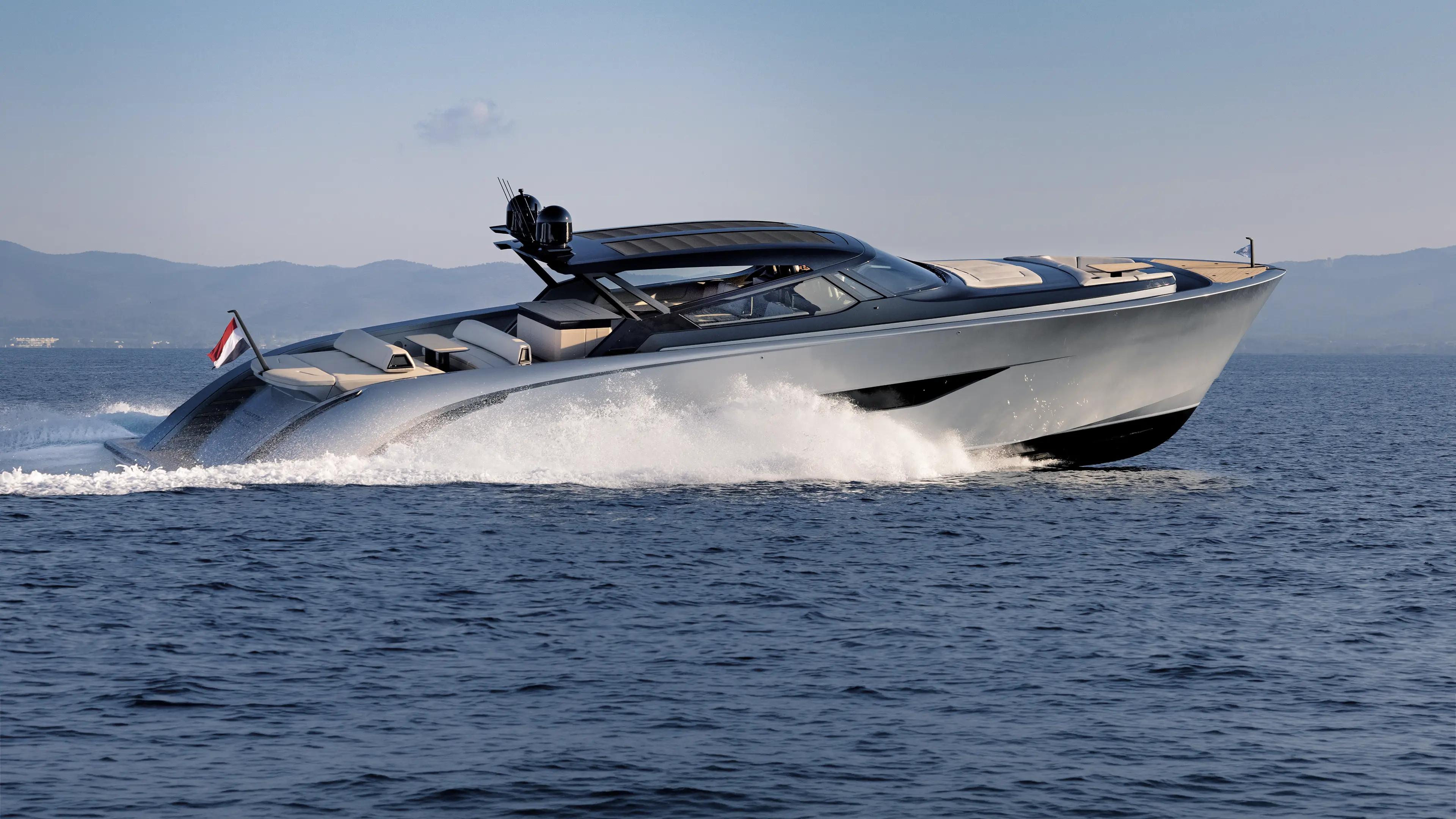
During a lunch with Wajer’s former CEO, Doris, Sander Sinot looked out over the water at the Wajer moored beside the restaurant. Inspired by their conversation and Doris’ vision for the brand’s future, he immediately began sketching a new interpretation of a Wajer.
On a simple napkin, the first lines and proportions were refined, exploring how the yacht could evolve while remaining unmistakably Wajer. There was no formal briefing, only intuition, observation and a shared understanding of design and quality. That spontaneous exchange laid the foundation for the long-term partnership between Wajer Yachts and Sinot Yacht Architecture & Design.
Sinot first designed the new Wajer 55, followed by the Wajer 77, the Wajer 44 and, most recently, the Wajer 120. Each model carries forward the same core DNA while continuing to evolve in proportion, clarity, performance and architectural refinement.
The Wajer × Sinot collaboration did not begin with a formal brief, but with a shared way of seeing. Built over time, model by model, it reflects a mutual respect for craftsmanship, intuition and timeless design. At its heart is one of Sinot’s guiding principles: Creation in Dialogue, the belief that the strongest ideas emerge through trust, exchange and continuous refinement.
What makes this collaboration particularly meaningful is how naturally the Wajer yachts complement the larger, custom-built mother yachts we design for our clients. While each Wajer stands confidently on its own, the yachts can also function beautifully as refined chase boats alongside a superyacht. Extending the experience, freedom and architectural language beyond the primary vessel itself.
Designed with the same attention to proportion, comfort, performance and spatial clarity, they create a seamless connection between scales of yachting. Agile and elegant in character, the Wajer yachts offer owners and guests a more intimate and versatile way to experience life on the water, while remaining unmistakably connected to the broader Sinot design philosophy.
Looking ahead, our intention is clear. We wish to continue this design conversation with care and conviction. Building upon what has been created, refining what already works and shaping what comes next with the same clarity and commitment that marked the very first line drawn on a napkin.
Working on the Wajer projects has been a rare and rewarding experience. From the very beginning, there was a strong sense of mutual trust between Wajer Yachts and Sinot Yacht Architecture & Design. As engineers and designers, we were given an exceptional level of freedom. Not only to refine the aesthetics, but to truly explore how design, performance and construction could strengthen one another.
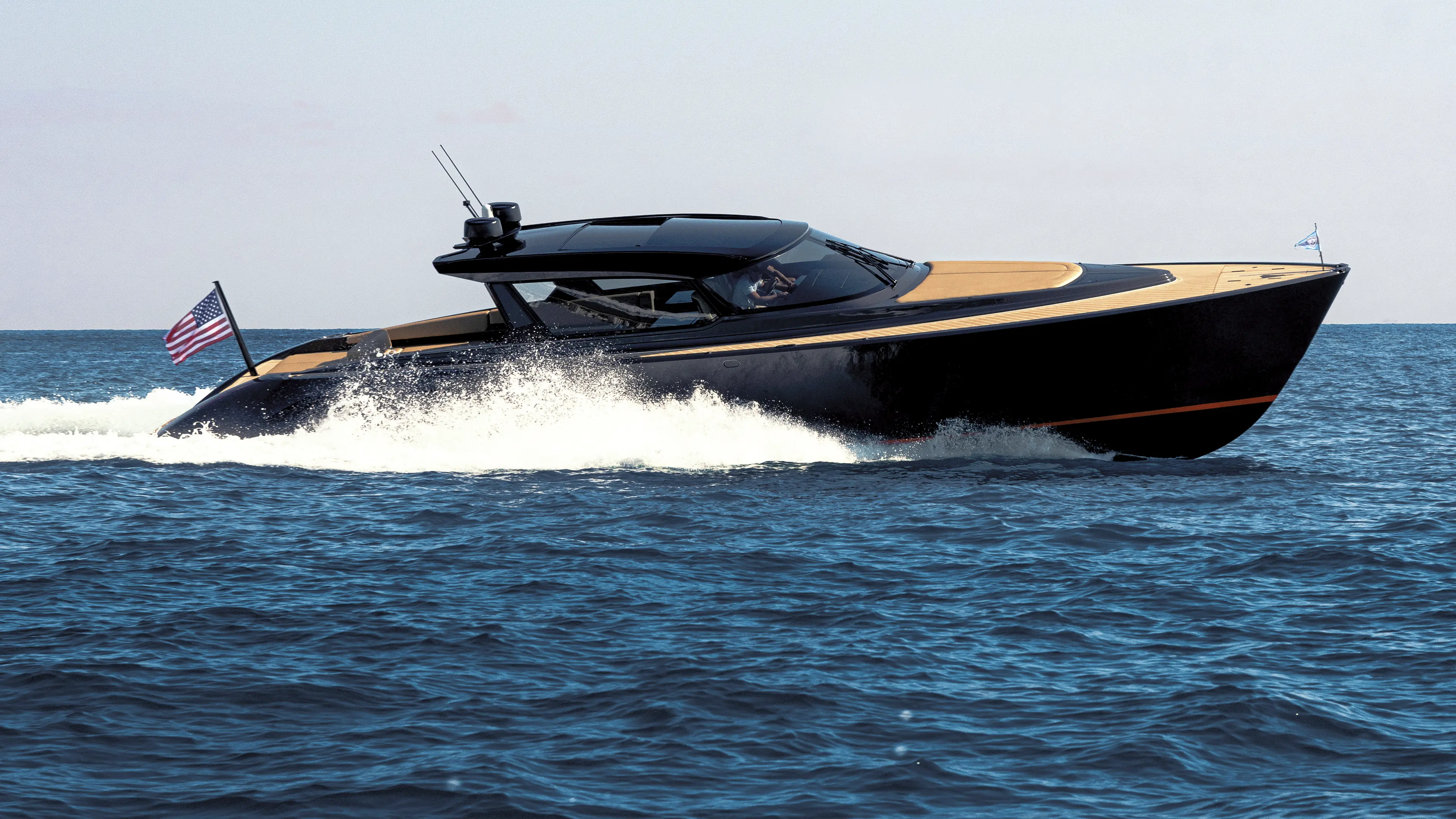
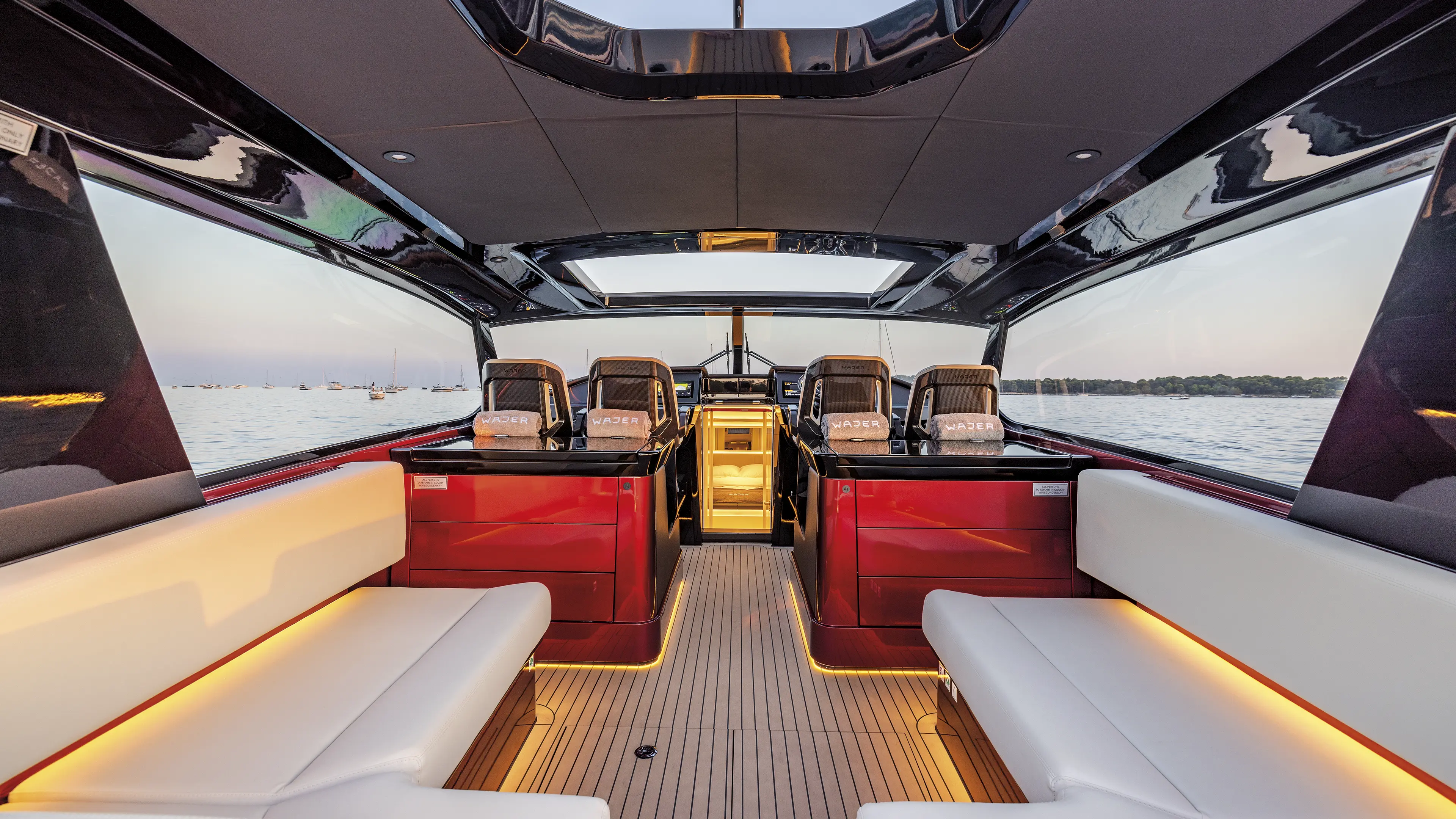
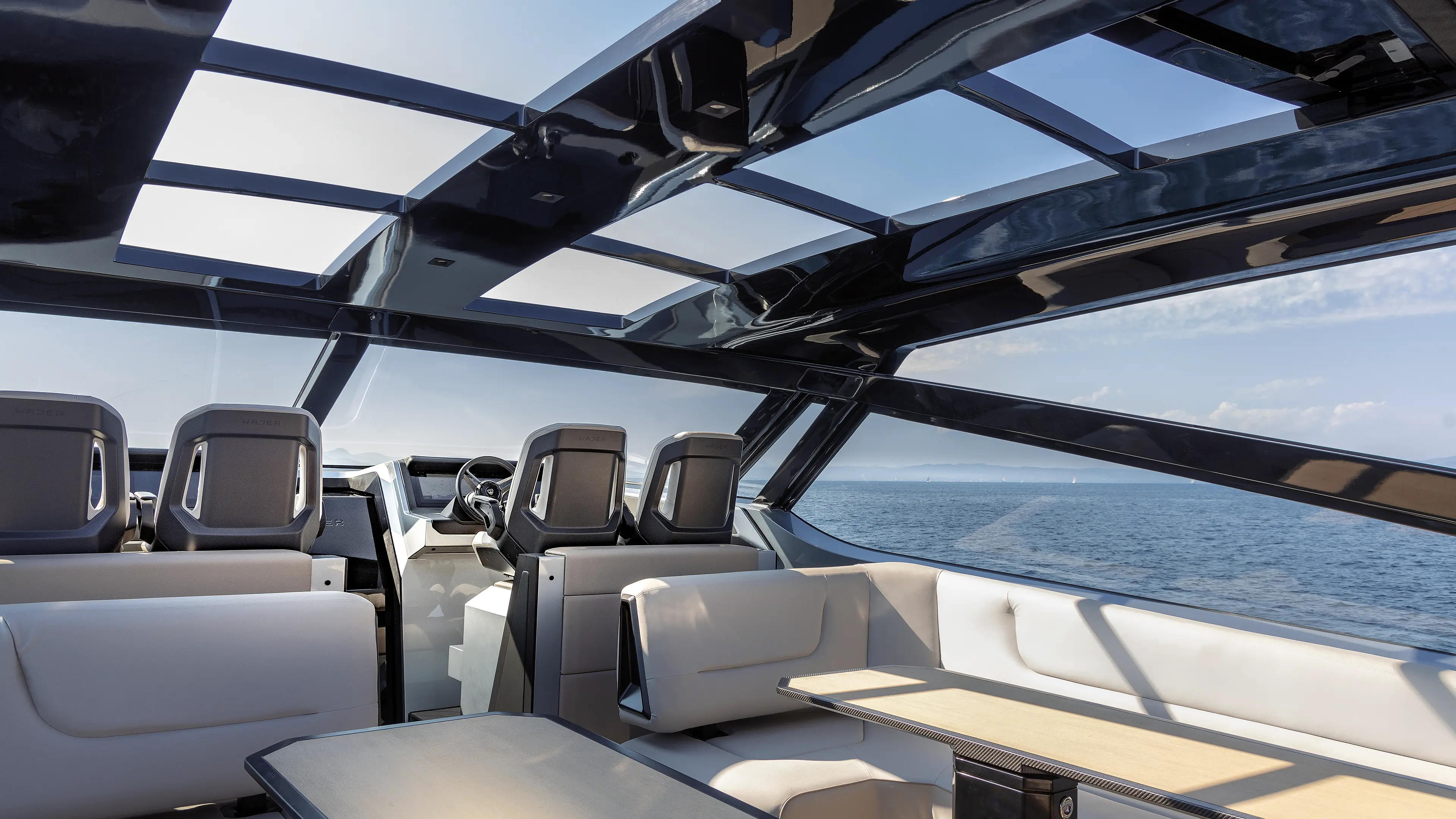
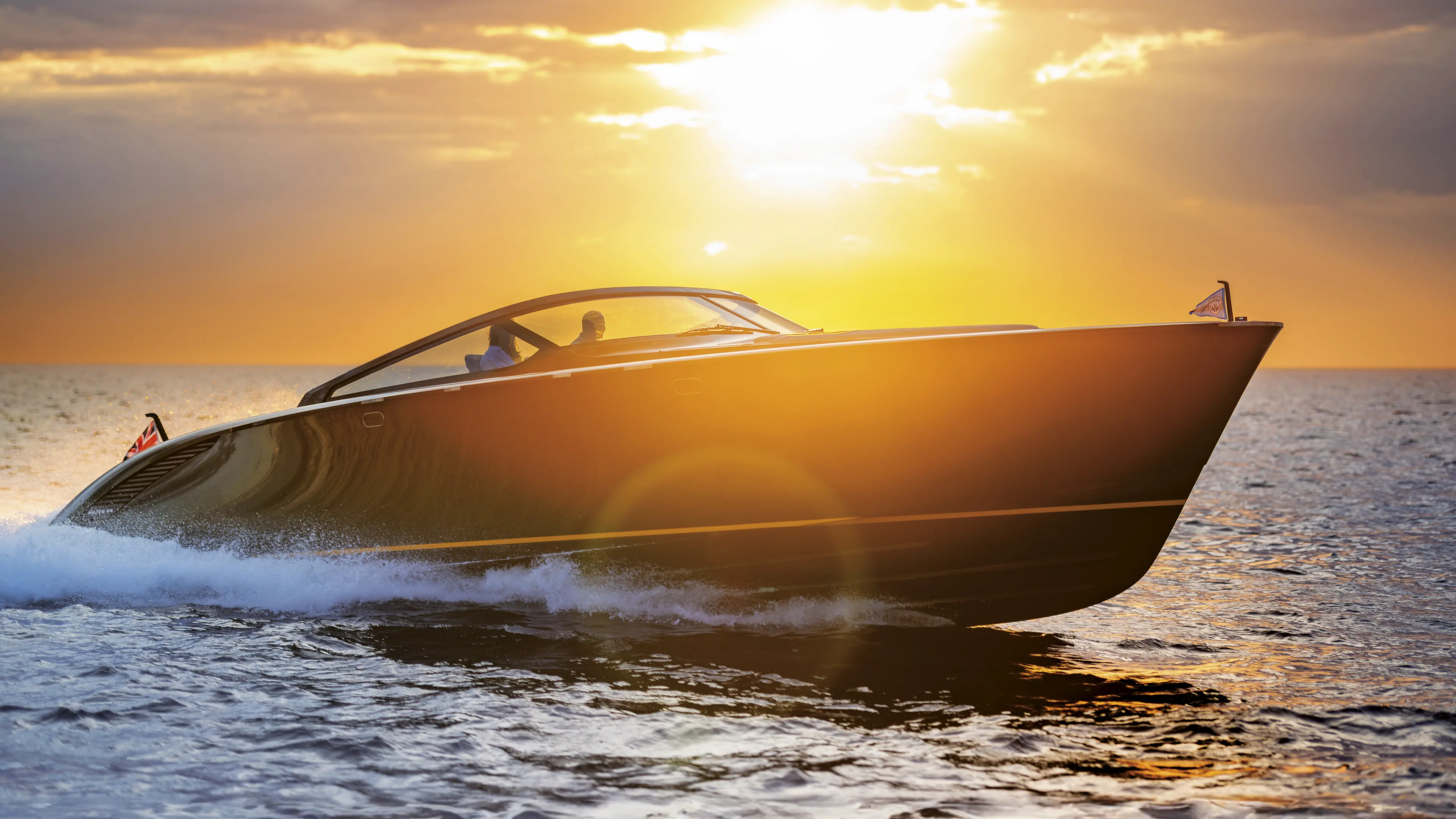
The same balance defines the overall character of the Wajer yachts. Externally, the boats appear fast and composed, with clean lines and a strong horizontal stance. Internally, the focus shifts toward comfort, protection, and calm. The transition between outside and inside is seamless, designed to support real use rather than spectacle.
Across the fleet, recurring architectural gestures create continuity: carefully refined proportions, integrated detailing, strong horizontal lines, and a constant dialogue between openness and protection.
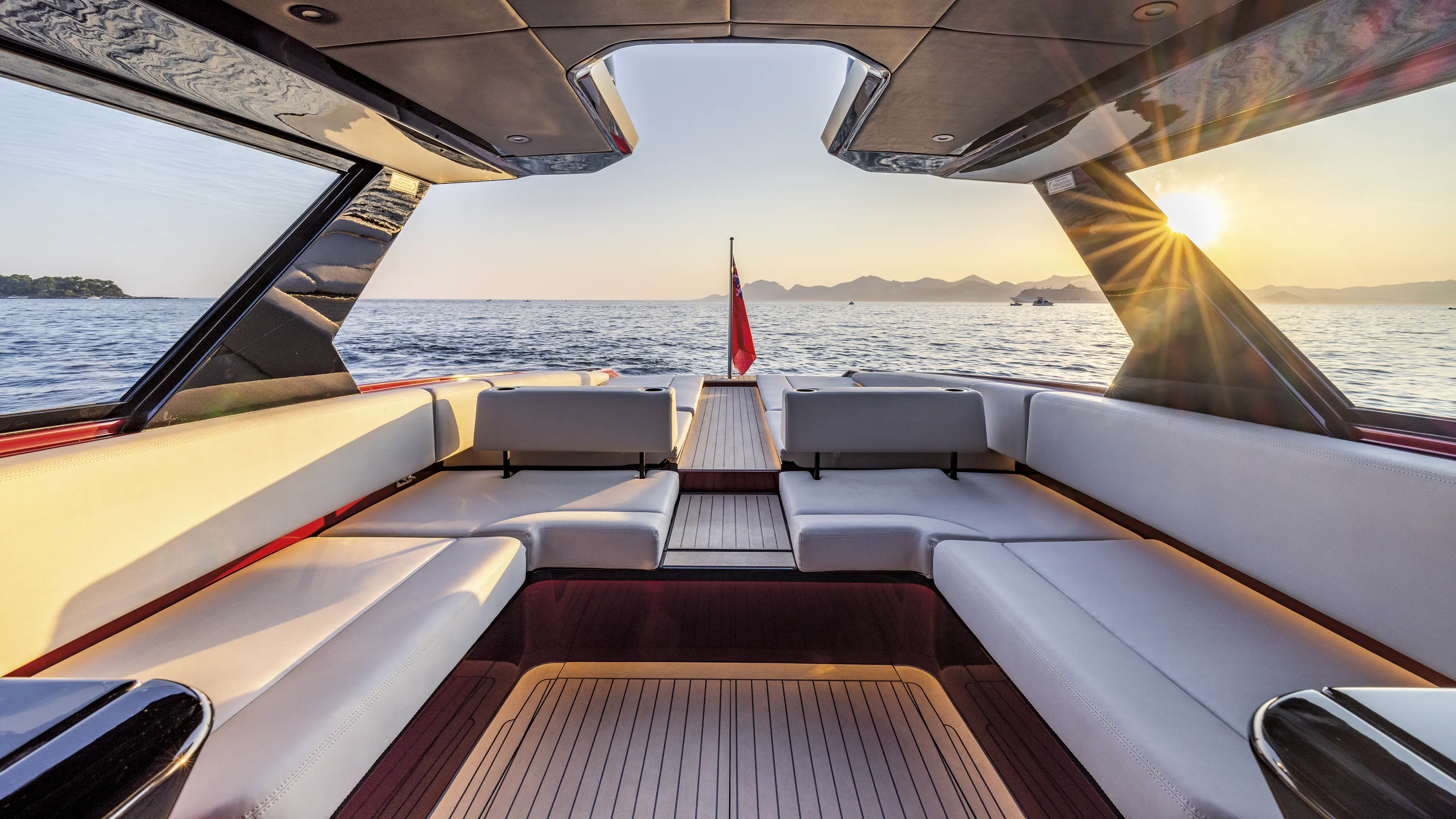
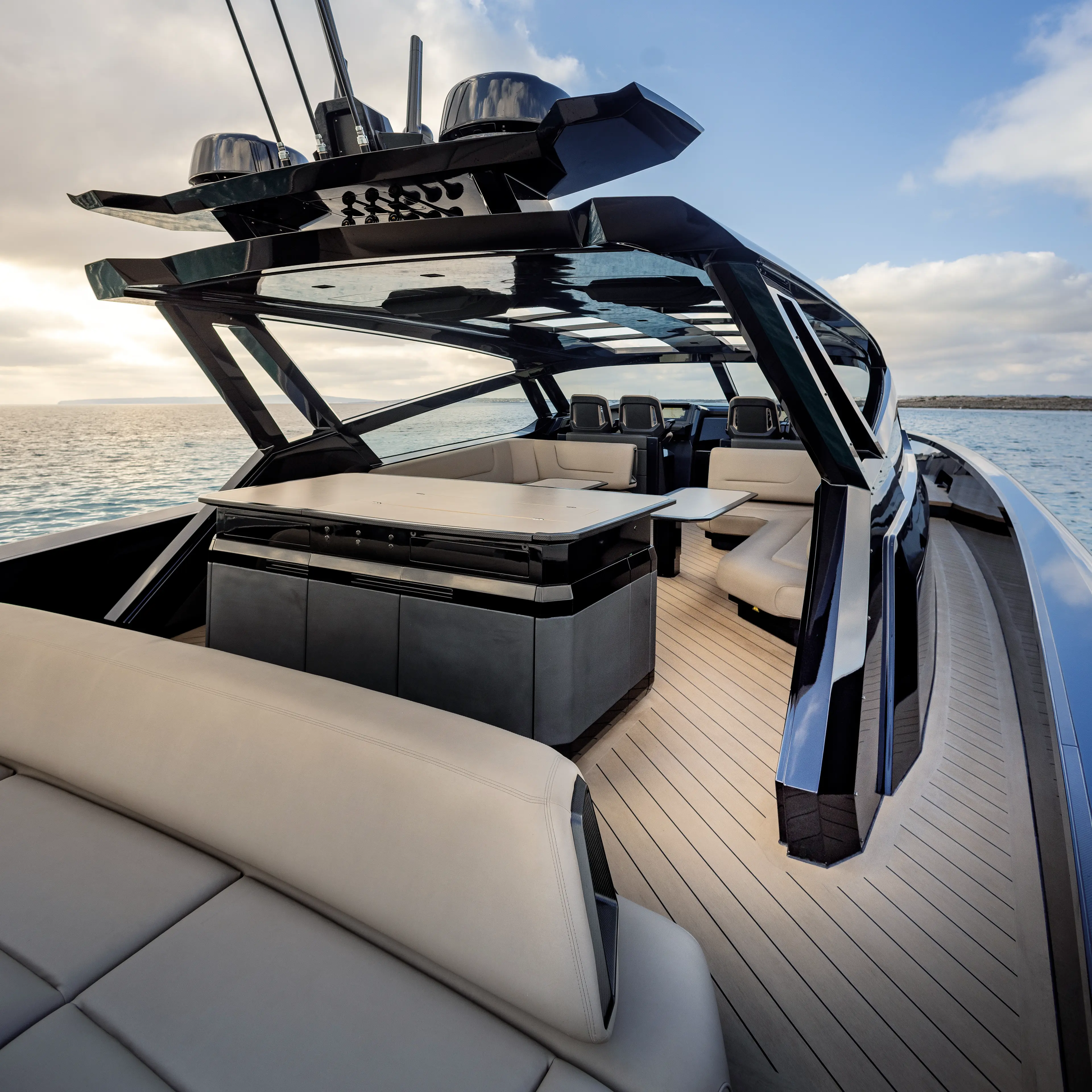
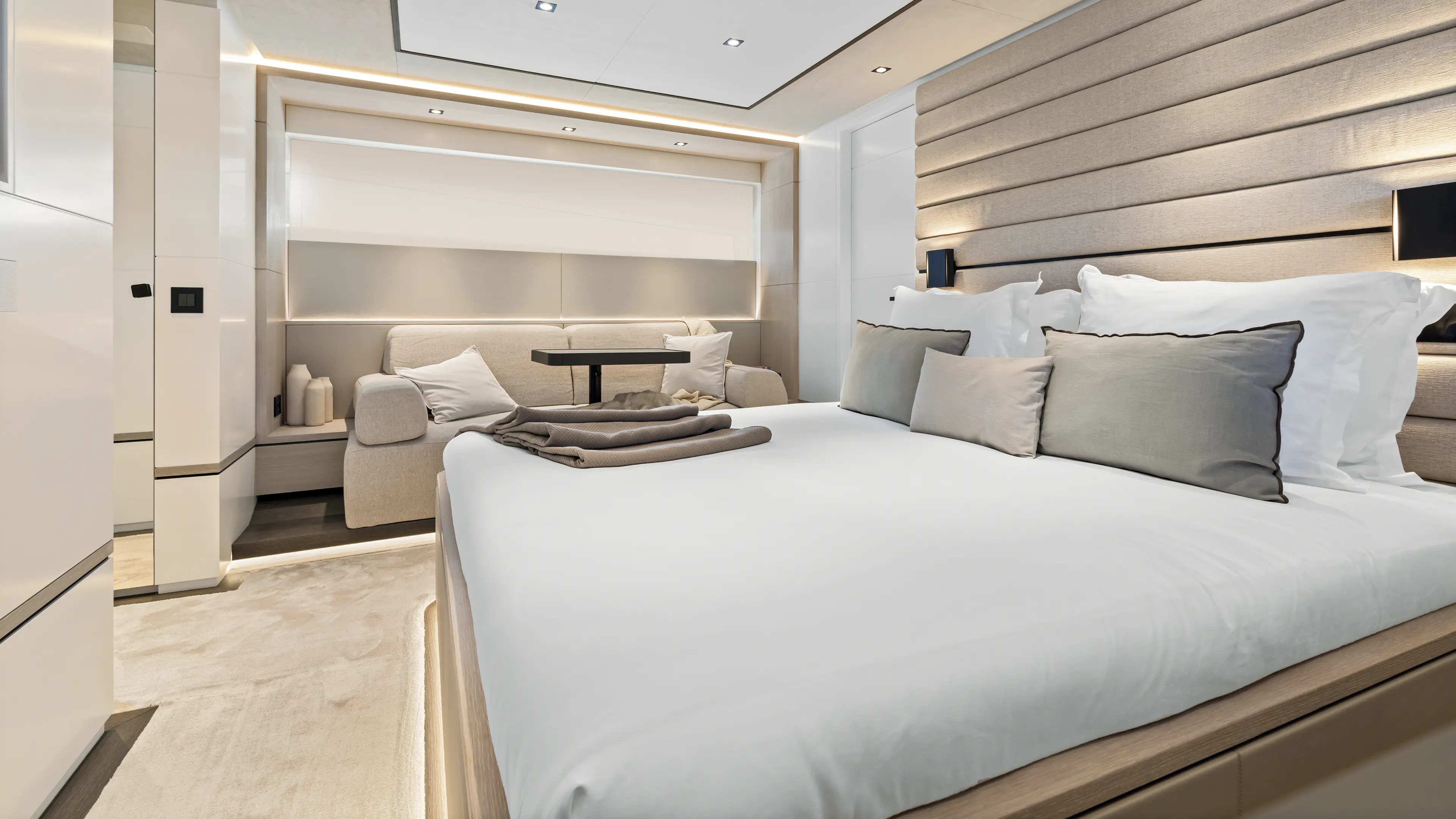
Outdoor spaces are generous and social, allowing for dining, gathering, and movement in open air. Inside, cabins offer a sense of shelter and ease, where owners and guests can rest comfortably, even during longer journeys.
This duality: performance and comfort, speed and calm, exterior clarity and interior warmth, defines the Wajer & Sinot design language. It is not about making each yacht different, but about ensuring that every yacht feels immediately familiar.
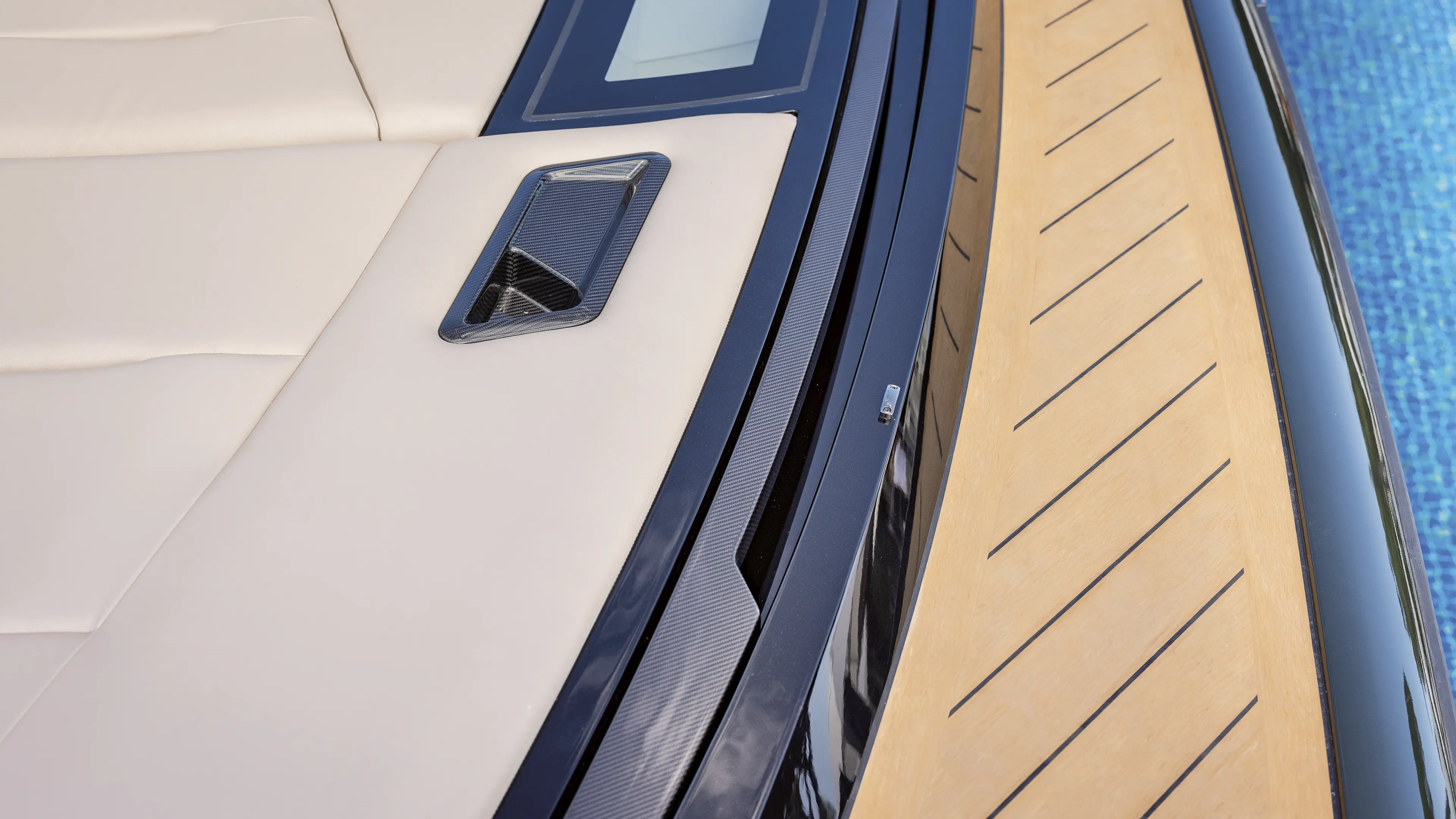
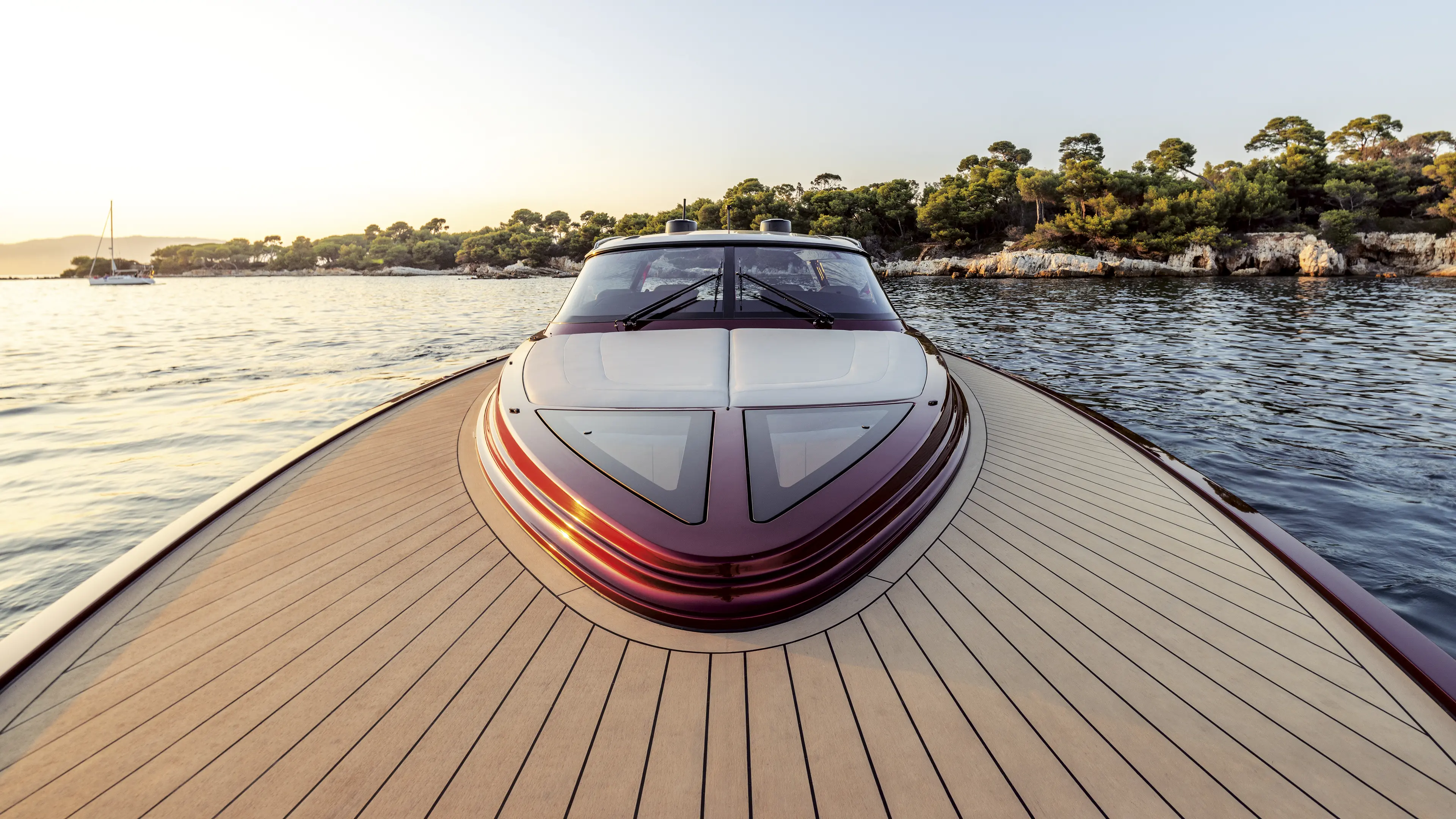
One of the defining gestures within the collaboration became the introduction of the distinctive herringbone teak pattern across the exterior decks.
Rather than treating the deck as a purely functional surface, Sinot approached it as part of the yacht’s architectural language. The pattern was conceived to emphasise movement, rhythm, and directionality, reinforcing the dynamic stance of the yachts while introducing a level of detailing not previously seen within this category.
At first, the idea challenged convention. Yet through dialogue, testing, and conviction, the concept was embraced and refined into a signature feature across the fleet.
Today, the herringbone teak pattern remains one of the most recognisable expressions of the Wajer & Sinot collaboration: subtle, purposeful, and instantly identifiable.
The Wajer 44 marked an important new chapter within the evolution of the Wajer & Sinot collaboration. Building further upon the architectural clarity and refinement first explored within earlier collaborations, the Wajer 44 introduced a new level of balance between performance, usability, comfort, and contemporary yacht design.
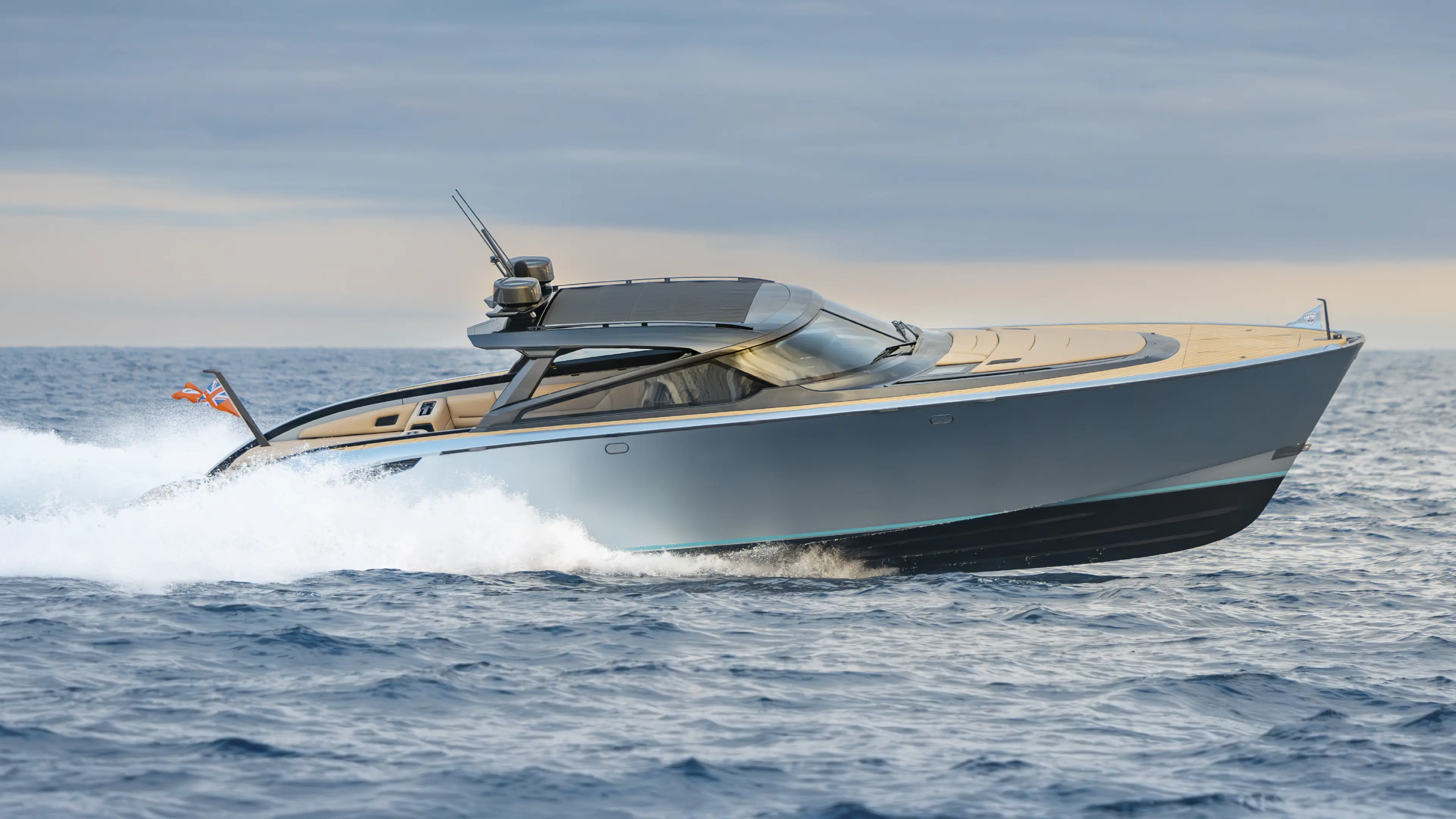
Built around one coherent architectural language, the Wajer 44 platform eventually evolved into three distinct interpretations: the original Wajer 44, the more sheltered Wajer 44 HT, and the open and socially oriented Wajer 44 S.
The carefully refined sheerline, low visual profile, and strong horizontal architecture allow the Wajer 44 to feel composed and closely connected to the water. Clean surfaces, integrated technical detailing, and restrained styling contribute to a calm yet highly recognisable presence on the water.
The Wajer 44 also introduced several design principles that would continue throughout the broader Wajer & Sinot fleet: carefully integrated detailing, strong sightlines, spatial efficiency, refined material transitions, and a continuous dialogue between openness and protection.


The sculpted hardtop extends naturally from the yacht’s original design language, reinforcing the horizontal architecture and strengthening the composed visual stance on the water. Rather than appearing as an addition, the structure feels fully integrated into the overall architecture of the yacht itself.
The Wajer 55 marked the beginning of the collaboration between Wajer Yachts and Sinot Yacht Architecture & Design, becoming the first model fully developed together and the architectural foundation for the fleet that would follow.
The project emerged from a growing demand among Wajer owners for greater onboard space, comfort and versatility beyond the existing Wajer 38 platform. Early conversations between Wajer and Sinot made clear that the next step for the brand required more than simply enlarging an existing yacht. It called for a new interpretation of the Wajer experience.


Open to the sea, driven by excitement. the wajer 55 s was designed for those who live beyond the horizon.
The Wajer 55 S introduced a more open and socially driven interpretation of the Wajer 55 platform — designed around outdoor living, freedom of movement, and an even stronger connection to the sea.
While maintaining the refined proportions and architectural clarity of the original Wajer 55, the S model shifted the onboard experience toward a more relaxed, Mediterranean-inspired lifestyle centred around entertaining, watersports and spending entire days outdoors.


With the introduction of the Wajer 77, the collaboration between Wajer and Sinot Yacht Architecture & Design entered a new phase.
Following the enormous success of the Wajer 55 series, a growing number of owners began searching for something beyond the traditional dayboat experience. Clients who had embraced the sporty elegance, effortless handling and understated luxury of the Wajer 55 increasingly desired more space, greater comfort and enhanced autonomy on the water. The Wajer 77 was born from this evolution.
Owners wanted to spend longer periods onboard, travel with additional guests and crew, and experience the yacht less as a fast cruiser and more as a refined extension of life itself. The focus shifted from simply arriving beautifully, towards fully living on the water in comfort and style.
At 23.5 meters in length, the Wajer 77 significantly expanded the possibilities of onboard living while maintaining the agility and performance for which Wajer is renowned. Equipped with triple Volvo Penta IPS engines and joystick maneuvering, the yacht remains remarkably intuitive to operate despite her increased scale. Advanced stabilization, intelligent engineering and sophisticated sound insulation contribute to an experience centered around effortless comfort and tranquility at sea.


The Wajer 77 introduced a new level of onboard hospitality. Spacious guest accommodations, dedicated crew quarters and extensive outdoor living areas transformed the yacht into a true platform for entertaining and extended stays onboard.
The yacht was no longer simply a dayboat — it became a floating residence designed around social connection, freedom and relaxation.
Inside, the yacht further strengthened the residential atmosphere gradually introduced throughout the Wajer fleet. Warm woods, tactile materials and sophisticated detailing create interiors that feel elegant yet deeply relaxed — closer to a contemporary waterfront residence than a traditional performance yacht.